Computer Vision Development Services
Computer Vision
Turn cameras into instruments, and footage into decisions
Computer vision development services help businesses automate visual tasks — quality inspection, object detection, document processing, and video analytics — using deep learning models built on your data and deployed in your cloud or on the edge.

- AI on AWS, Premier Tier The only GenAI and MSP partner in Canada
- Your footage, your cloud Trained and deployed in your account — SOC 2 + ISO 27001
- 2-week feasibility check Honest verdict on your footage before you commit budget
- Cloud or edge Models run where your cameras are — even offline
What is computer vision development?
What it is
Computer vision development is the process of building AI systems that interpret images and video — detecting objects, reading documents, spotting defects, and tracking movement — so machines can act on what they see without human review.
What a development partner covers
A computer vision development company handles the full lifecycle: data collection and annotation, model training and validation, deployment to cloud or edge devices, and continuous monitoring and retraining in production.
Our Computer Vision Expertise
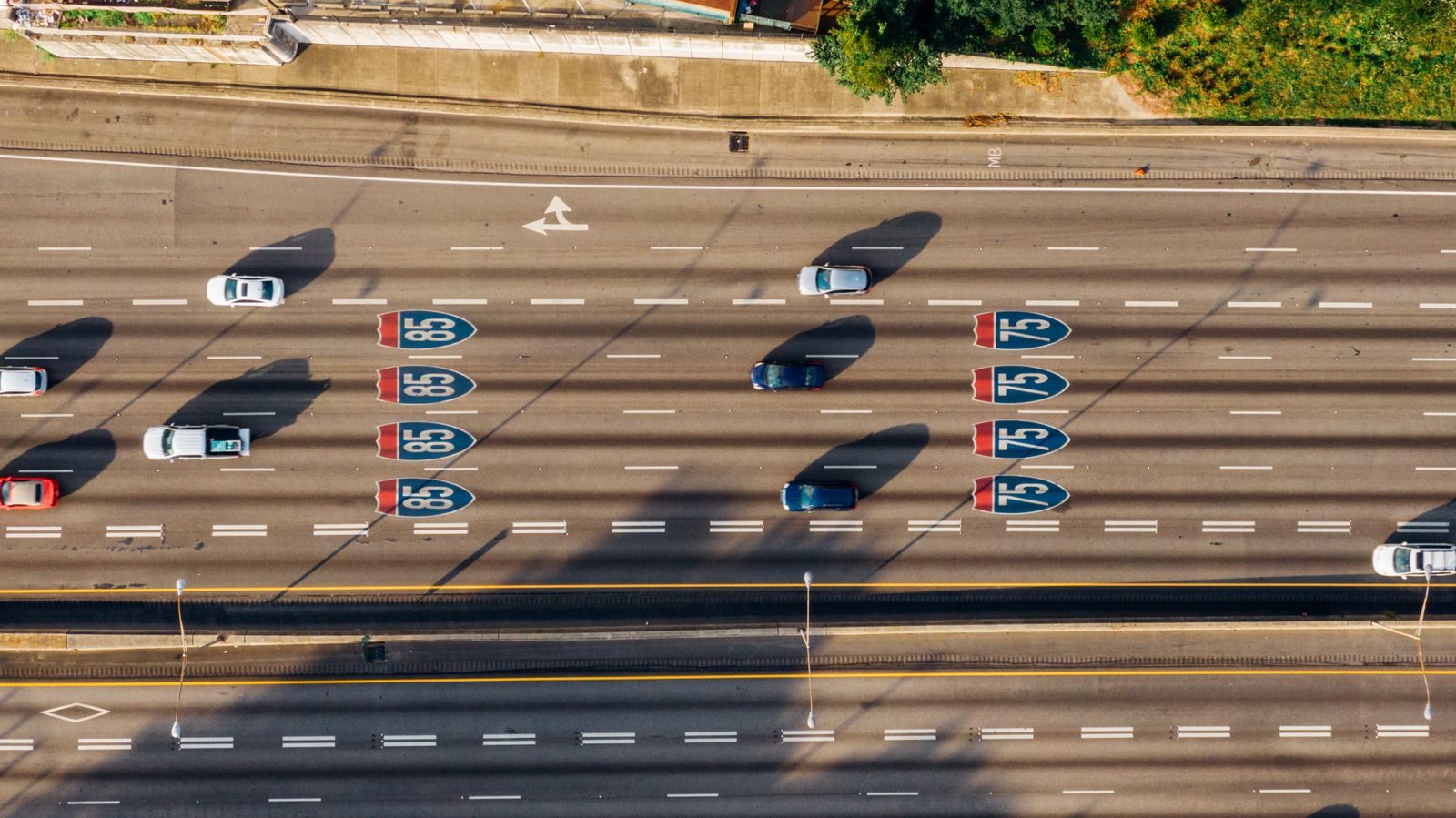
Object Detection & Recognition
Object Detection & Recognition
We build models that find and identify specific items in images and video — products, parts, vehicles, people — with the precision your inventory, quality control, and safety systems depend on.
Common uses
- Automated inventory and shelf audits
- Assembly verification on production lines
- Vehicle and license plate recognition
- PPE and safety compliance monitoring
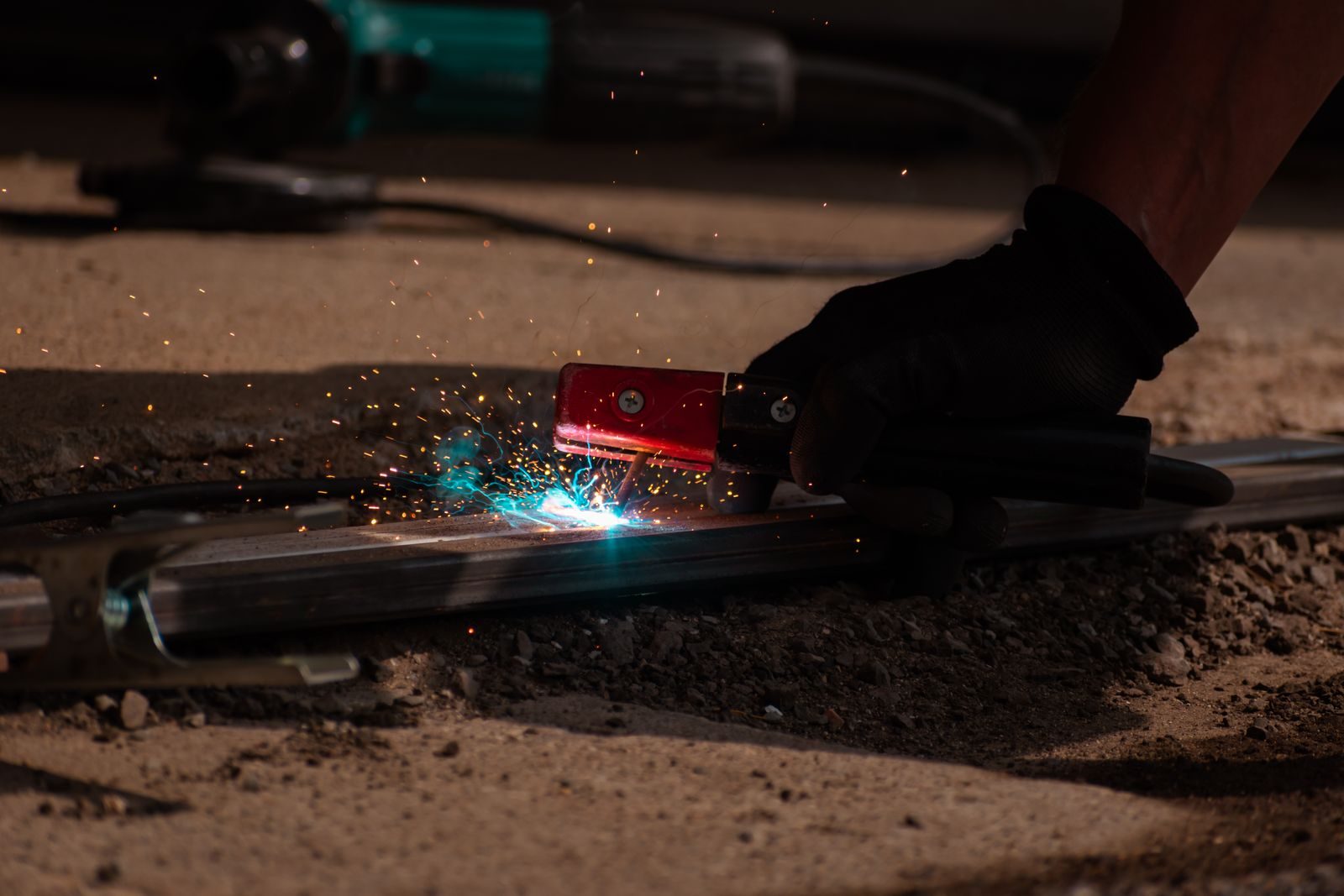
Visual Anomaly Detection
Visual Anomaly Detection
Models trained on what ‘good’ looks like flag anything that deviates — scratches, dents, missing components, contamination — including defect types too rare to collect examples of.
Common uses
- Surface defect detection at full line speed
- Predictive maintenance from visual wear
- Contamination checks in food and pharma
- Weld and joint quality verification
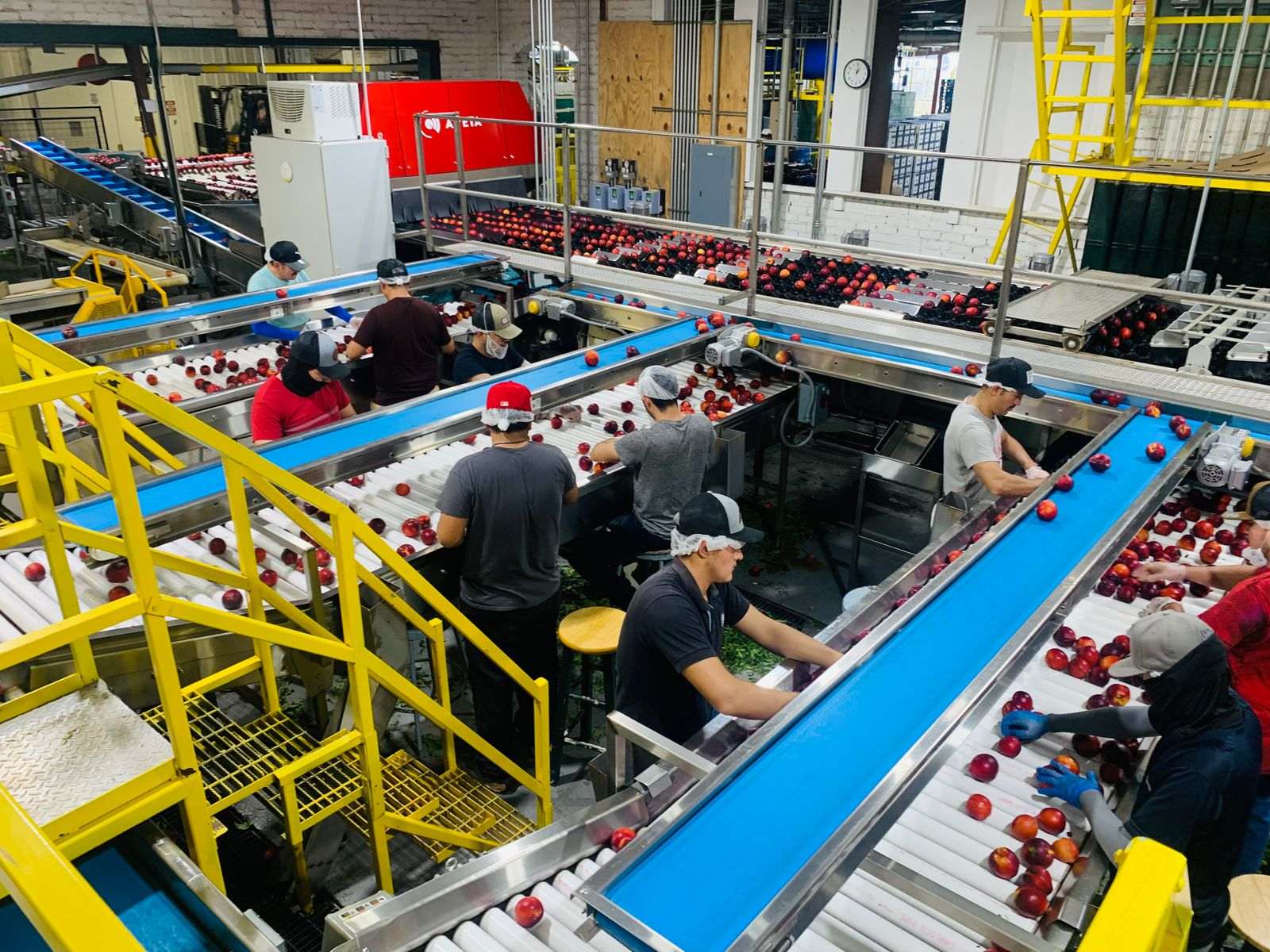
Image Classification
Image Classification
We automate the categorization of images into predefined classes using deep learning — replacing manual sorting with consistent, auditable decisions at any volume.
Common uses
- Product catalog auto-tagging
- Medical image triage and routing
- Damage assessment from photos
- Content moderation at scale
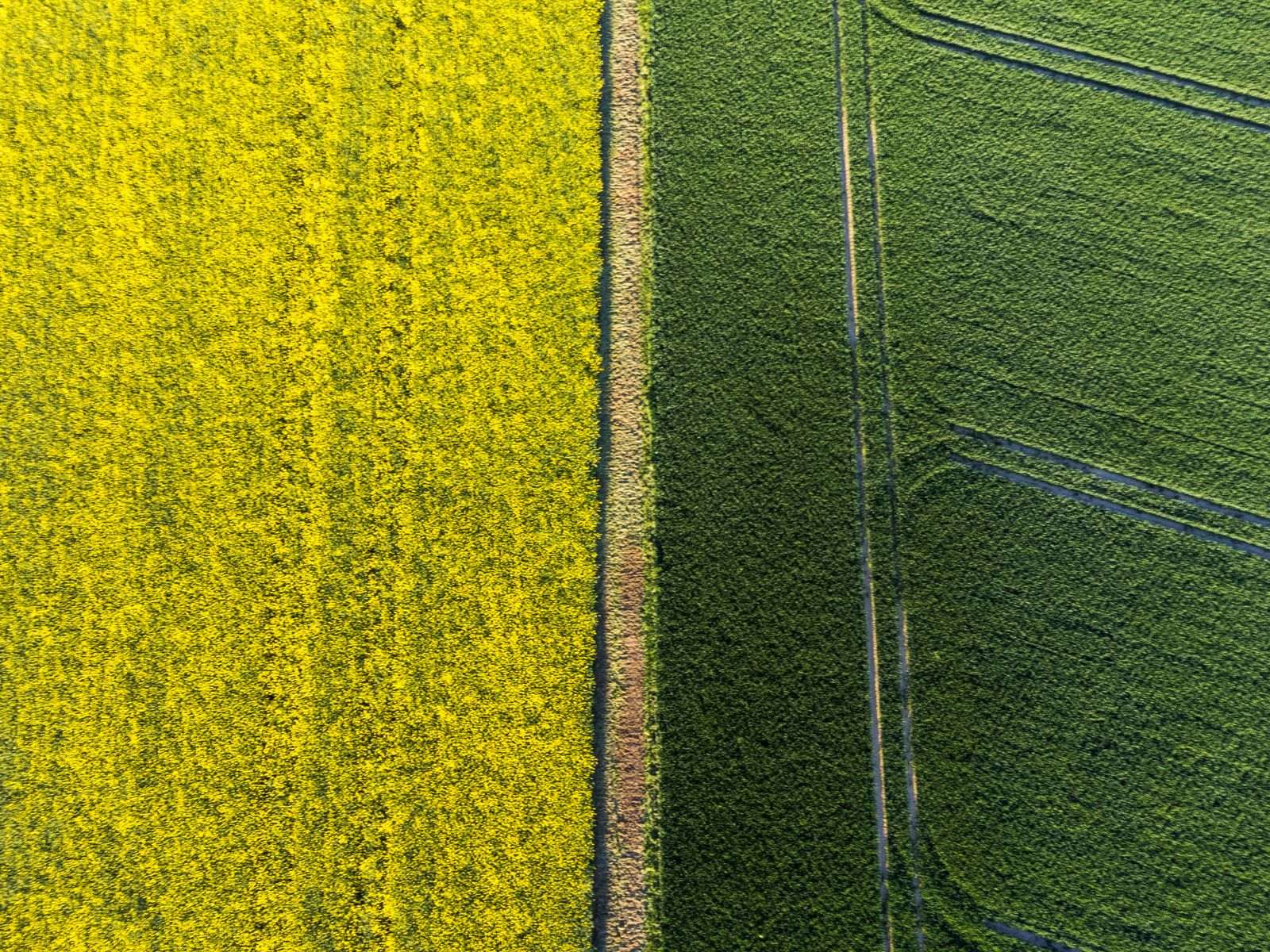
Image Segmentation
Image Segmentation
Pixel-level understanding of what is where — so systems can measure, count, and act on the exact shape and extent of objects, not just their presence.
Common uses
- Precise dimension and area measurement
- Crop and land analysis from aerial imagery
- Tumor and lesion boundary mapping
- Background removal for product imagery

OCR & Document Intelligence
OCR & Document Intelligence
We extend detection precision to text-bearing objects — labels, packaging, invoices, forms — for accurate data extraction that feeds straight into your systems of record.
Common uses
- Invoice and form data extraction
- Label, batch code, and serial verification
- ID document processing and validation
- Shipping paperwork automation

Video Analytics
Video Analytics
Real-time video stream analysis with event detection and pattern recognition — automated alerts and live dashboards instead of someone watching monitors.
Common uses
- Real-time safety incident alerts
- Customer flow and queue analytics
- Perimeter and access monitoring
- Process compliance verification
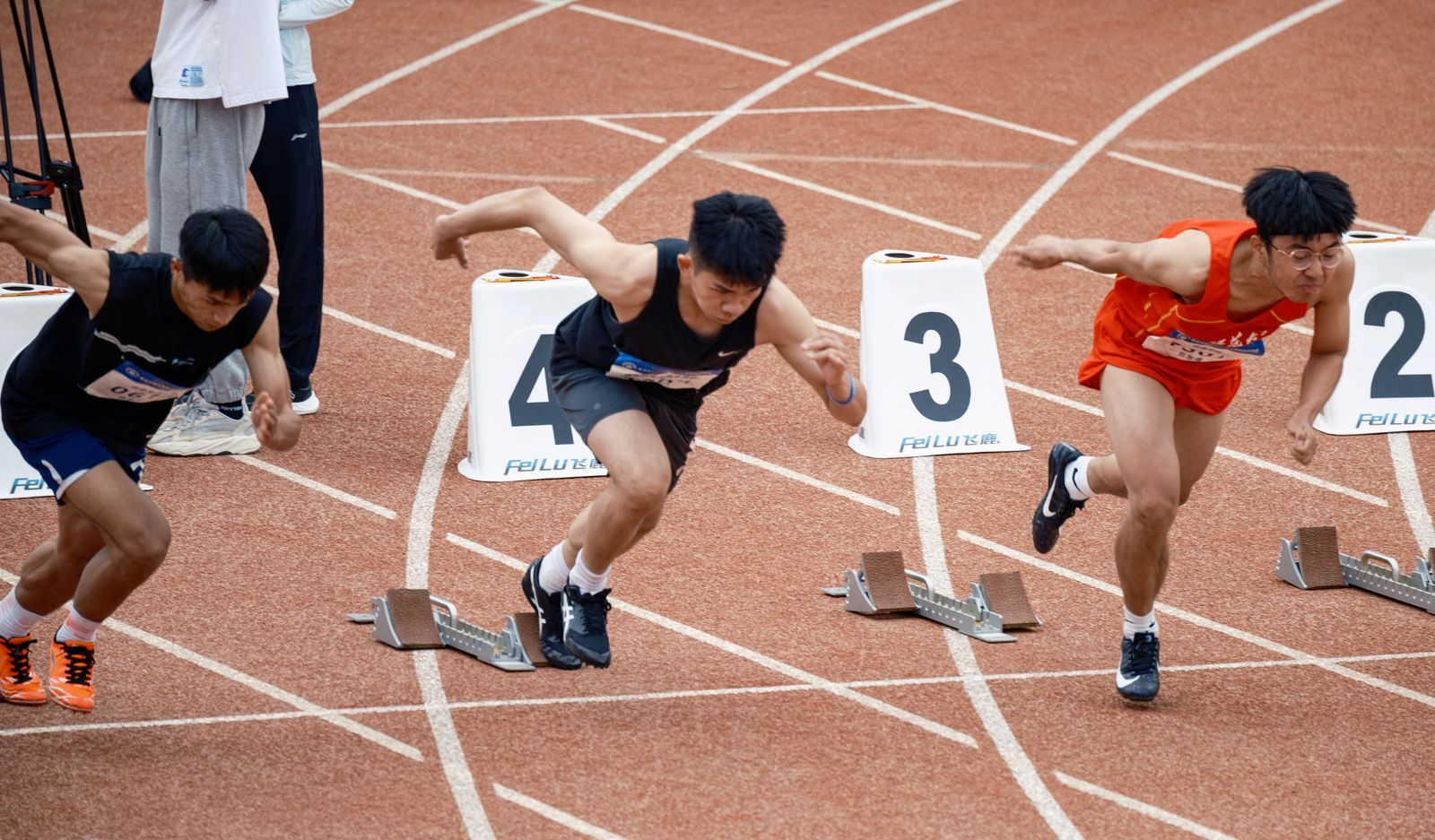
Pose Estimation & Tracking
Pose Estimation & Tracking
We detect and track human and object keypoints in video, enabling systems that understand movement, posture, and orientation — even in cluttered environments.
Common uses
- Ergonomics and injury-risk monitoring
- Sports and physiotherapy motion analysis
- Robot guidance and bin picking
- Fall detection in care environments
What Vision Automation Is Worth
Industry benchmarks for computer vision in operations — what mature deployments deliver against manual inspection and monitoring.
- Less machine downtime 30–50% Visual monitoring catches wear and anomalies before they stop the line.
- Of units inspected 100% Every item at full line speed, same criteria from first unit to last — not a sample.
- Higher labor productivity 15–30% Repetitive visual checks automated; people move to work that needs judgment.
- From event to alert Seconds Defects, safety incidents, and stockouts surface in real time, not at end-of-shift.
Ranges: McKinsey industry benchmarks for AI-driven visual operations
Our Computer Vision Development Services
End to end or any stage alone — from validating the use case to keeping models accurate in production.
-
CV Strategy & Feasibility
We align vision capabilities with your business goals — pinpointing the right use cases, datasets, and models, and validating feasibility before you commit budget.
-
Data Services
Data collection, annotation, augmentation, and synthetic datasets — so your models train on data optimized for precision, not just whatever footage exists.
-
Custom Model Development
We design custom vision systems tailored to your environment and integrate them with your current infrastructure — from prototype to production-grade system.
-
Model Optimization
Hyperparameter tuning, compression, quantization, and ONNX conversion — so models run fast enough and cheap enough for real production workloads.
-
Deployment & MLOps
CI/CD pipelines, human-in-the-loop workflows, and edge deployment to cameras, devices, and industrial sensors — cloud or fully on-premises.
-
Monitoring & Retraining
Drift detection, accuracy monitoring, and scheduled retraining keep models reliable as your products, lighting, and environments change.
What the Camera Catches
Every deployment watches for one costly event. Six real detections our systems make — and the call each one triggers.
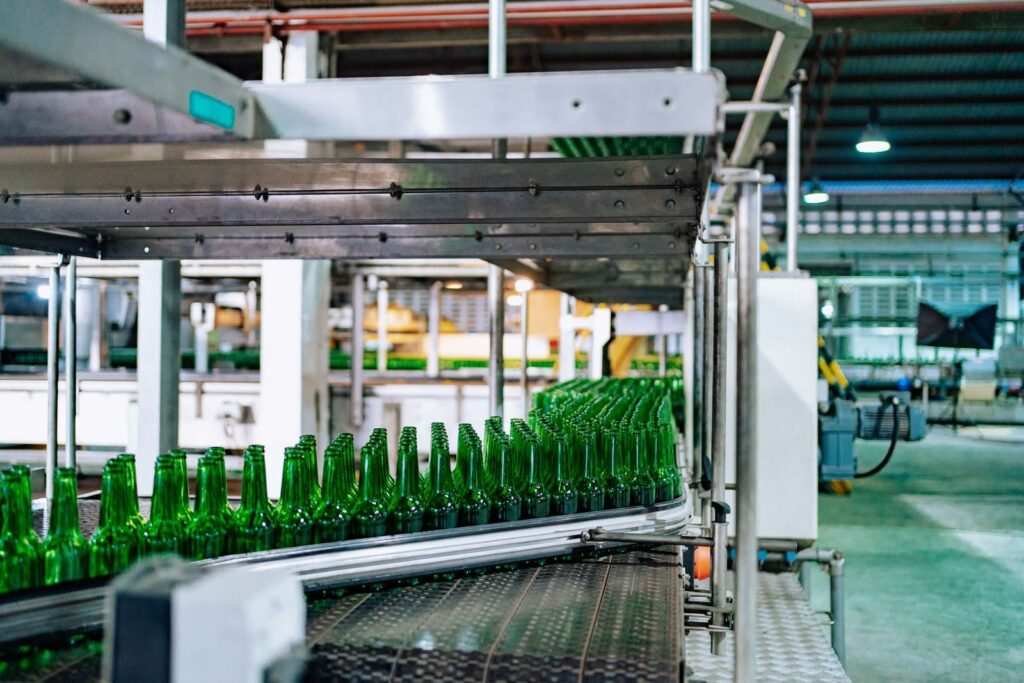
Manufacturing
Flags the defect and holds the batch — before it ships.
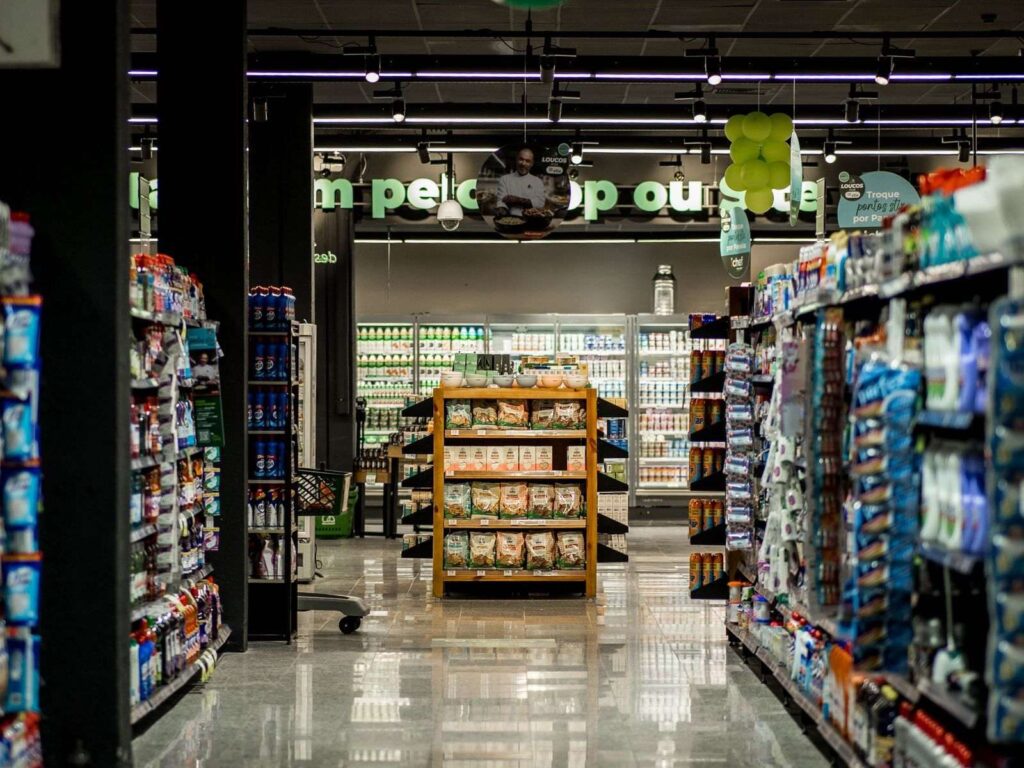
Retail
Spots the gap on the shelf and fires the restock task.
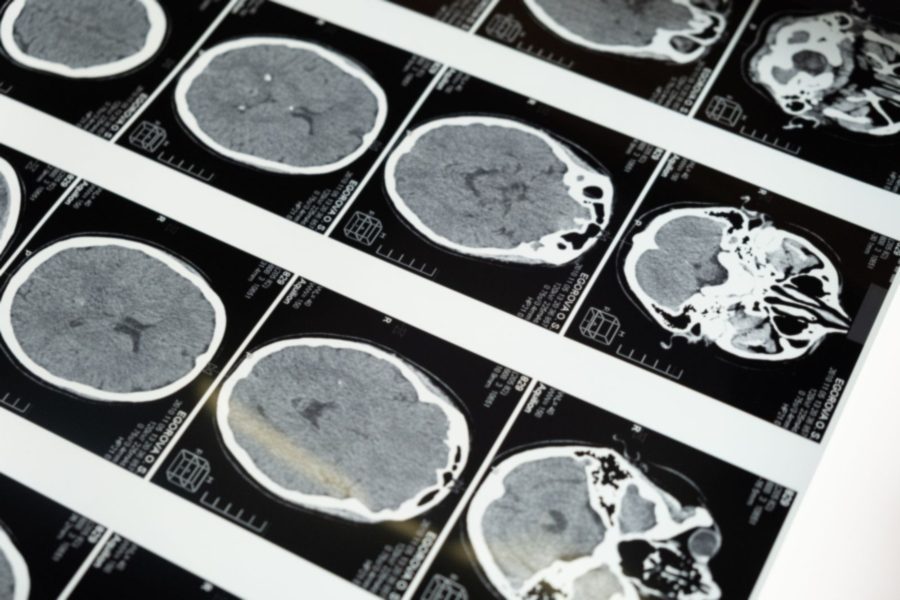
Healthcare
Routes the urgent image to the top of the reading queue.
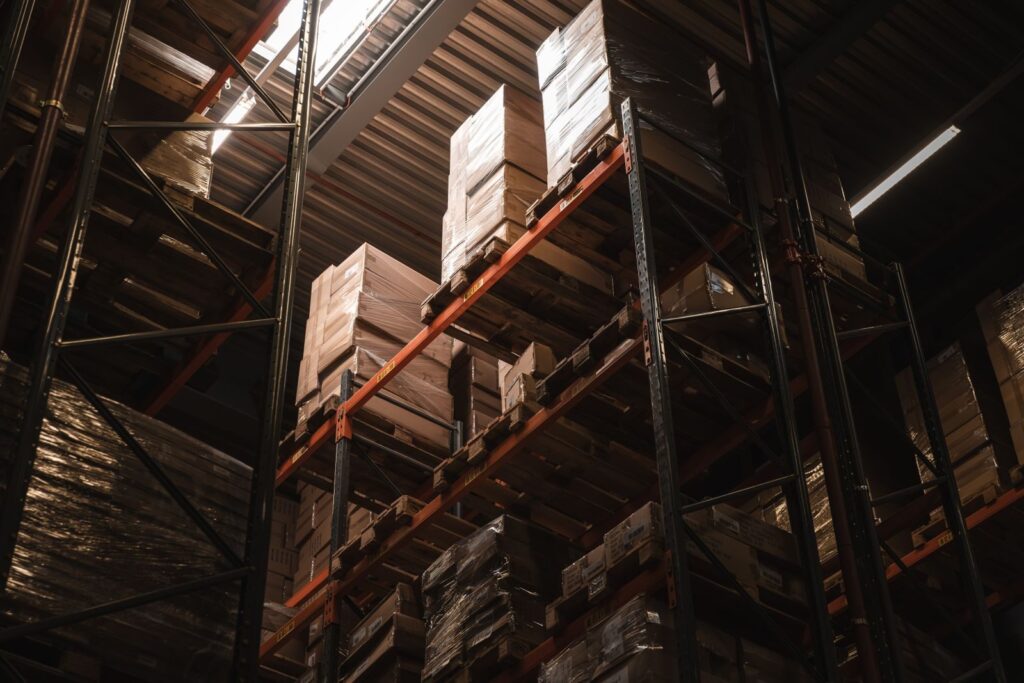
Logistics
Catches the crushed carton before it leaves the dock.
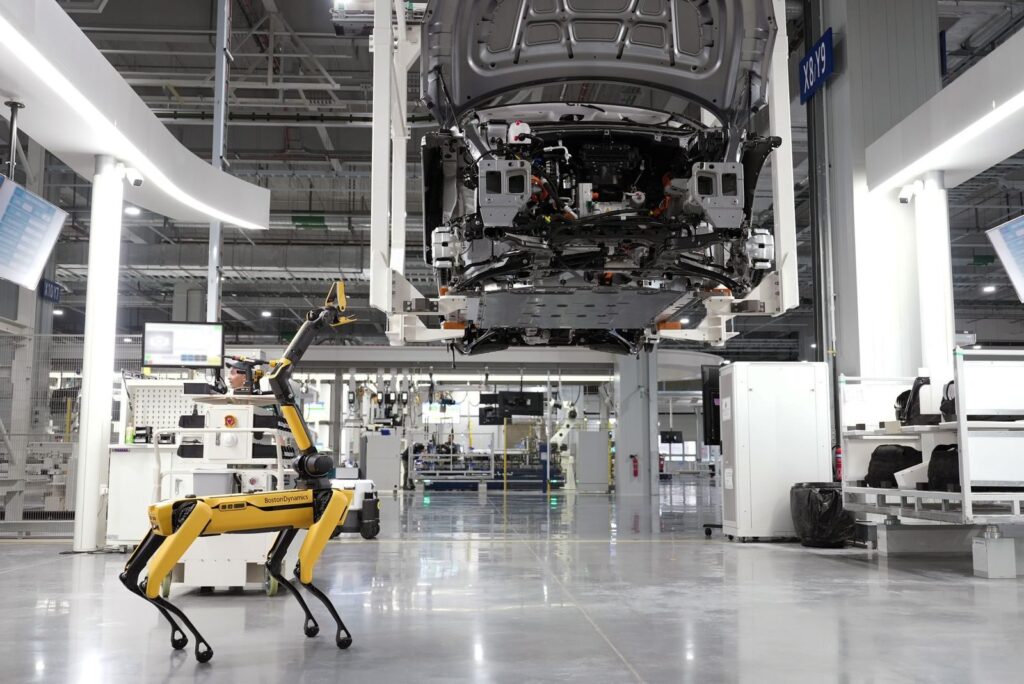
Automotive
Marks the body for rework while it's still on the line.

Safety & Security
Alerts the supervisor the moment PPE is missing.


Your event not here? The same stack learns it — describe your visual task.
How It Works
Six stages from first conversation to a model that keeps learning in production.
-
Week 1
Strategic discovery
An in-depth consultation to understand the visual task, the accuracy bar, and the business decision each detection should trigger — before any technology choices are made.
-
Week 2
Data & feasibility audit
We audit your footage, cameras, lighting, and data rights — and give you an honest feasibility verdict with a data-collection plan before you commit budget.
-
Weeks 3–8
Model development
Annotation, training, and validation against your acceptance criteria — not benchmark datasets. You see accuracy on your data at every iteration.
-
Weeks 9–12
Production rollout
We move the system from development to live — integrated with your ERP, MES, or alerting stack, deployed to cloud or edge devices.
-
Every stage
Data protection & compliance
Privacy by design throughout: anonymization, encryption, and role-based access — aligned with SOC 2, ISO 27001, and your industry's frameworks.
-
Ongoing
Continuous maintenance
Drift detection, accuracy monitoring, and scheduled retraining keep the model reliable as products, lighting, and environments change.
Computer Vision Success Stories
All case studies
Custom Computer Vision on AWS: From 5 to 0.73-Second Recognition
A third-party recognition vendor was slow and priced per scan at millions of scans. A custom model on AWS cut recognition from 5 seconds to 0.73 and took back the unit economics.

GenAI-Powered Video Intelligence Platform for a Global Television Network
Decades of video archives became searchable by what is on screen — scenes, faces, and moments surfaced in seconds instead of days of manual review.

How an Aviation Tech Company Cut POC Time from a Month to Days
Self-service environments with data and compute ready on day one — imagery-heavy proofs of concept that took a month now ship in days.
Tech Stack We Bring Vision Into Production With
-
 PyTorch
 -
 TensorFlow
 -
 Keras
Keras -
 Hugging Face
 -
 OpenCV
 -
 YOLO
YOLO -
 Detectron2
 -
 Roboflow
 -
 Ground Truth
 -
 AWS SageMaker
 -
 Docker
 -
 Kubernetes
 -
 MLflow
 -
 ONNX Runtime
 -
 NVIDIA TensorRT
 -
 OpenVINO
 -
 CoreML
 -
 Jetson

FAQ
How much data do we need to start a computer vision project?
It depends on task complexity: roughly 500–2,000 annotated images per class for simple detection, 5,000–10,000 for multi-object scenes, and 20,000+ for complex domains like medical imaging. Augmentation and synthetic data can reduce these needs — the feasibility check tells you your number.
How long does a computer vision project take to reach production?
A feasibility check takes about two weeks. A first production deployment typically lands in 2–3 months, depending on data readiness and integration complexity. Accuracy then improves continuously through retraining.
Can computer vision run without constant cloud connectivity?
Yes. We deploy optimized models directly to edge devices — cameras, industrial PCs, mobile hardware — so inference runs locally and only results sync to the cloud. Essential for factory floors and low-connectivity sites.
Do you build models from scratch or use existing frameworks?
Usually neither extreme: we start from proven architectures and pre-trained models, then fine-tune on your data. It’s faster and more accurate than training from scratch, and you own the resulting model.
How is sensitive visual data protected during development?
Data stays in your cloud account under your access controls. We apply anonymization (face and plate blurring), encryption, and role-based access — aligned with our SOC 2 and ISO 27001 certified practices.
Can vision systems integrate with our existing infrastructure?
Yes — models ship behind APIs and event streams that plug into your ERP, MES, WMS, or monitoring stack. Integration design is part of the discovery phase, not an afterthought.
Computer Vision Development Services
Computer vision development services help businesses automate visual tasks that previously required human review — quality inspection, object detection, optical character recognition, and video analytics. At Dedicatted, we build custom computer vision solutions on deep learning models trained on your data and deployed in your cloud environment or on edge devices.
Our computer vision consulting covers the full lifecycle: use-case validation, data collection and annotation, model development and optimization, MLOps deployment, and continuous monitoring and retraining in production. We work across manufacturing, retail, healthcare, logistics, automotive, and security applications.
As an AWS Premier Tier Partner, Dedicatted combines computer vision expertise with enterprise cloud engineering — so vision systems ship with the security, scalability, and cost controls production workloads require.
Get a feasibility check on your vision use case
Describe the visual task and what data you have. Our team responds within one business day with an honest read on feasibility, data needs, and a suggested first step.
Thanks, we have it.
Our team replies within one business day, with relevant experience and a first read on your problem.